
How to Legally Get Married in Washington State
The 5 Steps to Legally Get Married in Washington State
Deciding to get married is one of the most exciting decisions you’ll ever make, and figuring out how to make it legal shouldn’t be the stressful part. The good news? Getting married in Washington State is genuinely straightforward — the legal process is simple, flexible, and designed to get out of your way so you can focus on the actual celebration.
Whether you’re a Washington local planning a backyard ceremony in Woodinville, a Seattle couple eloping on a ferry at golden hour, or you’re flying in from out of the country for a destination wedding at a snow-covered lake, this guide will walk you through everything you need to know about Washington State marriage laws. We’re covering the exact steps for how to get married in Washington State — from the marriage license application all the way through submitting your paperwork.
By the end of this post, you’ll know exactly what legal marriage in Washington State looks like, what the timeline is, who can officiate, and what to expect after the ceremony.
Let’s get into it.
Is Washington State a Good Place to Get Married?
Short answer: yes, absolutely. Washington is one of the best states in the country for couples who want a combination of stunning natural scenery and an easy legal process. There’s no residency requirement, no mandatory waiting period after you apply for your license, and the state gives you a ton of flexibility when it comes to how and where you get legally married.
Getting married in Seattle, Washington, has a different energy than, say, eloping in Olympic National Park or exchanging vows on the cliffs above the Columbia River Gorge — but all of it is equally valid under Washington State marriage laws. The state recognizes ceremonies held in backyards, vineyards, on mountaintops, in national parks, in courthouses, and everywhere in between.
If you’ve been wondering where you can legally get married in Washington State, the answer is essentially: almost anywhere, as long as your paperwork is in order.
Washington State Marriage Laws: What You Need to Know First
Before we get into the step-by-step, here are the baseline legal requirements for marriage in Washington State. These don’t change based on where you have your ceremony or how big or small the wedding is.
Age requirements: Both parties must be at least 18 years old to marry without additional approval. If one person is 17, parental consent is required. Anyone younger than 17 needs court approval — this is rare, but it’s part of the law.
Residency: You do not need to be a resident of Washington State to get married here. You can apply for a Washington marriage license as a visitor from out of state, out of the country, or elsewhere. This makes Washington a fantastic destination for a wedding.
Waiting period: Washington State does not have a waiting period between applying for your license and when you can use it, with one important exception. Your license cannot be used until three days after it’s issued. More on that timing below.
License validity: Your marriage license is valid for 60 days after issuance, and you can use it starting 3 days after issuance. Your ceremony needs to happen within that window.
Who can marry: Washington is an inclusive state. Same-sex marriage has been legal in Washington since 2012, and the law applies equally to all couples.
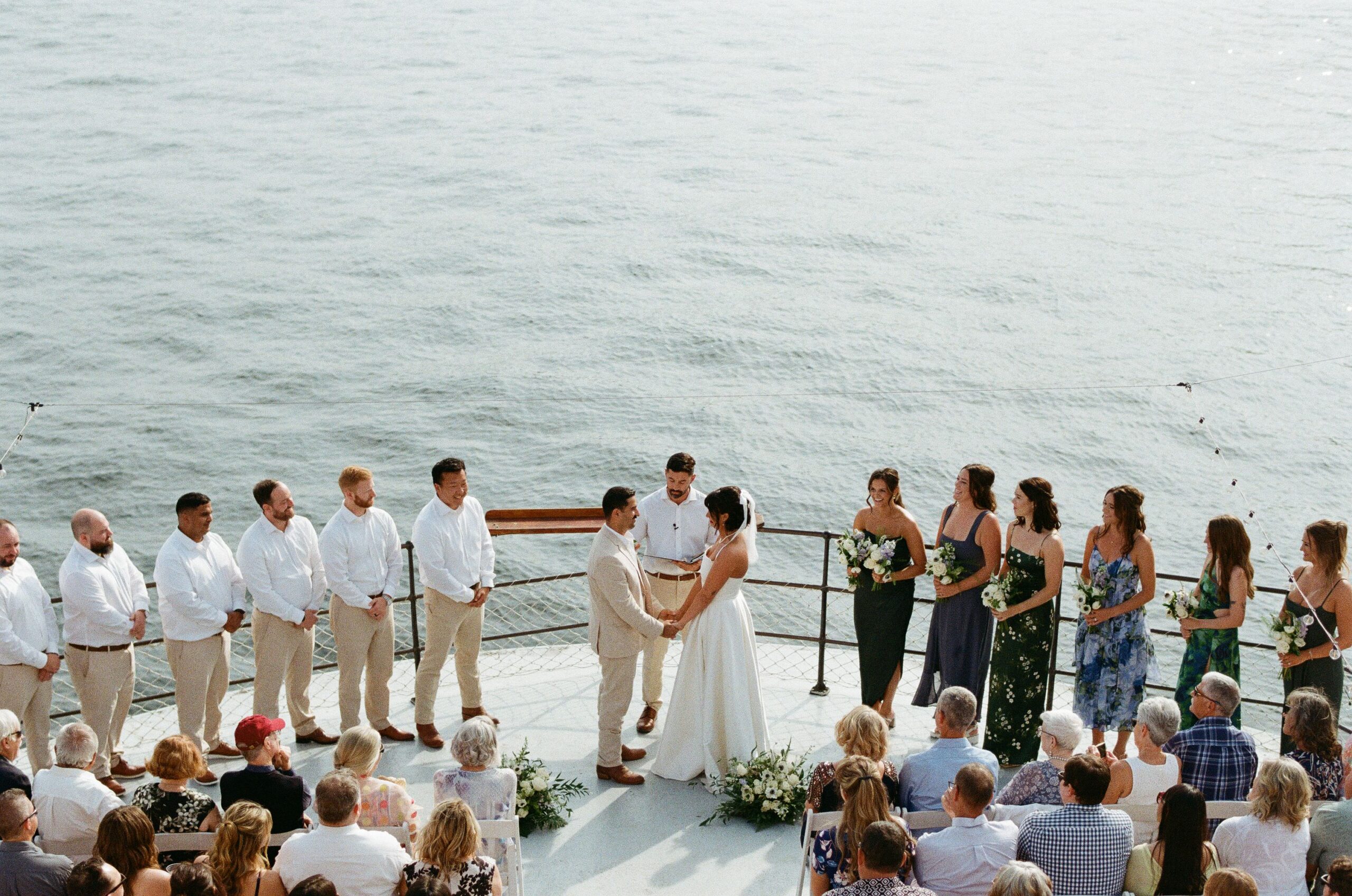
Step 1: Apply for Your Marriage License
This is where everything officially starts. In Washington State, you’ll need to apply for a marriage license before your ceremony — no license, no legal marriage.
Where to Apply
You can apply for a marriage license through any county in Washington State — it doesn’t have to be the county where you’re getting married. That flexibility is really helpful for couples who live in one county but are having their wedding somewhere else.
Most counties now offer online applications, which makes this step easy. You can also apply in person at the county auditor’s office, or in some counties, by mail (though mail takes longer because it requires notarization of your signatures).
For most couples, the online application is the way to go. You’ll fill out the form, submit it, and pay the fee — then your license will be mailed to you or available for pickup, depending on the county.
What You’ll Need
Both partners will need to provide identifying information as part of the application. This typically includes:
- Full legal names (including any middle names)
- Date of birth
- Place of birth
- Current address
- Social Security number (for Washington residents)
- Information about any prior marriages, including how they ended (divorce, death, etc.)
If either partner has been married before, you may need to provide documentation of how that marriage was legally dissolved.
The Application Fee
Marriage license fees in Washington State vary by county, so you’ll want to check with the specific county where you’re applying. Fees are typically in the range of $60–$75, though this can vary. Payment is usually accepted over the phone or online when you submit your application.
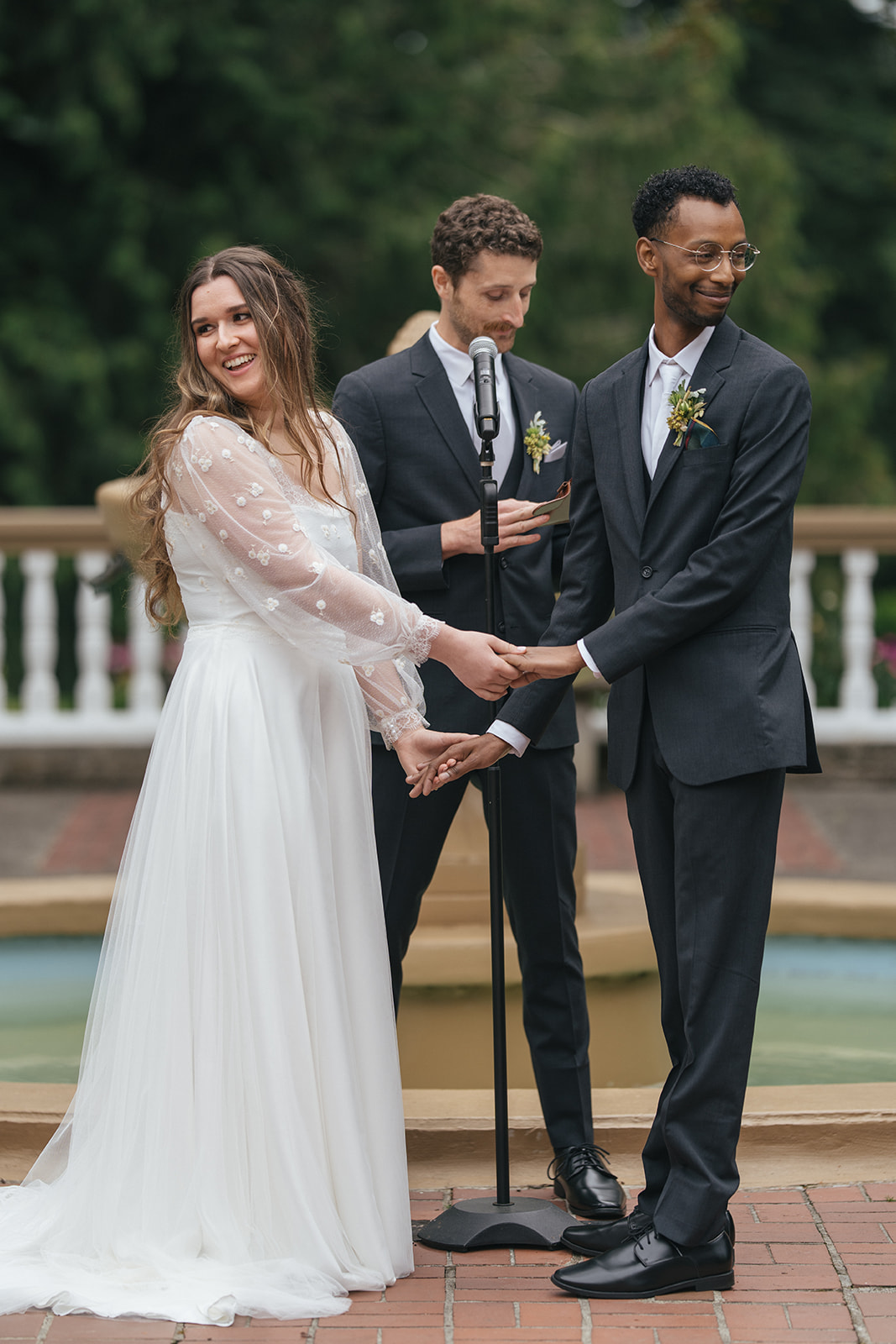
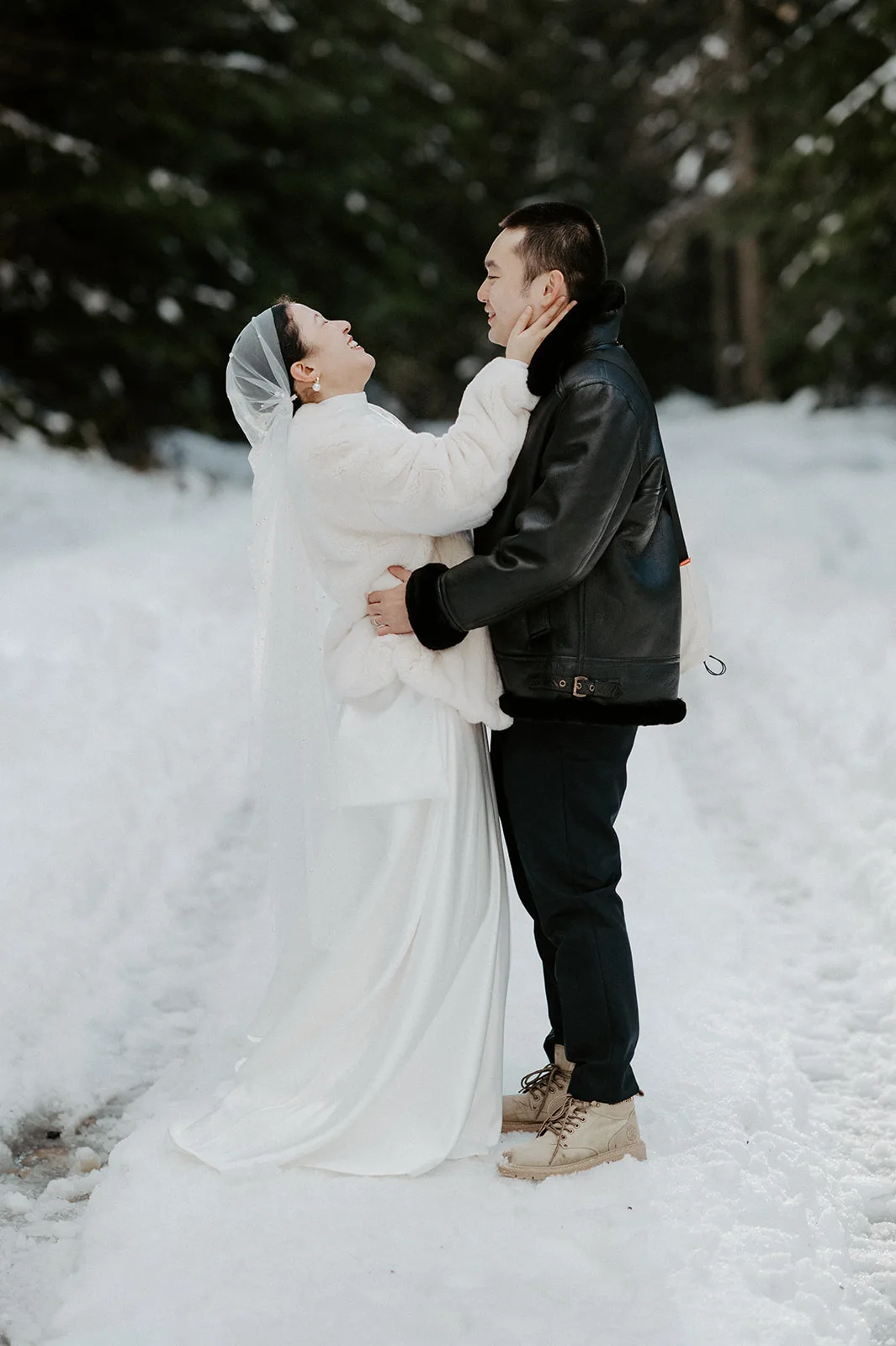
Step 2: Understand Your License Window
Once your license is issued, it has a specific validity period that you need to plan around. This is one of the parts of the process of getting married in Washington State that trips people up the most, so let’s break it down clearly.
You cannot use your license until 3 days after it’s issued. This is a mandatory waiting period built into the license itself — not the application process, but the issuance.
Your license expires 60 days after issuance. If your ceremony doesn’t take place within 60 days, your license becomes void, and you’ll need to apply for a new one.
So your ceremony window is: day 3 through day 60 after the license is issued.
Many counties have a date calculator on their website to help you figure out the exact window — it’s worth using this tool, so you know your earliest and latest possible ceremony dates before you finalize anything.
For couples doing a micro wedding or elopement where the plan might shift at the last minute, build in an extra buffer on the front end. Apply early so you have room to move your ceremony date if needed, without your license expiring.
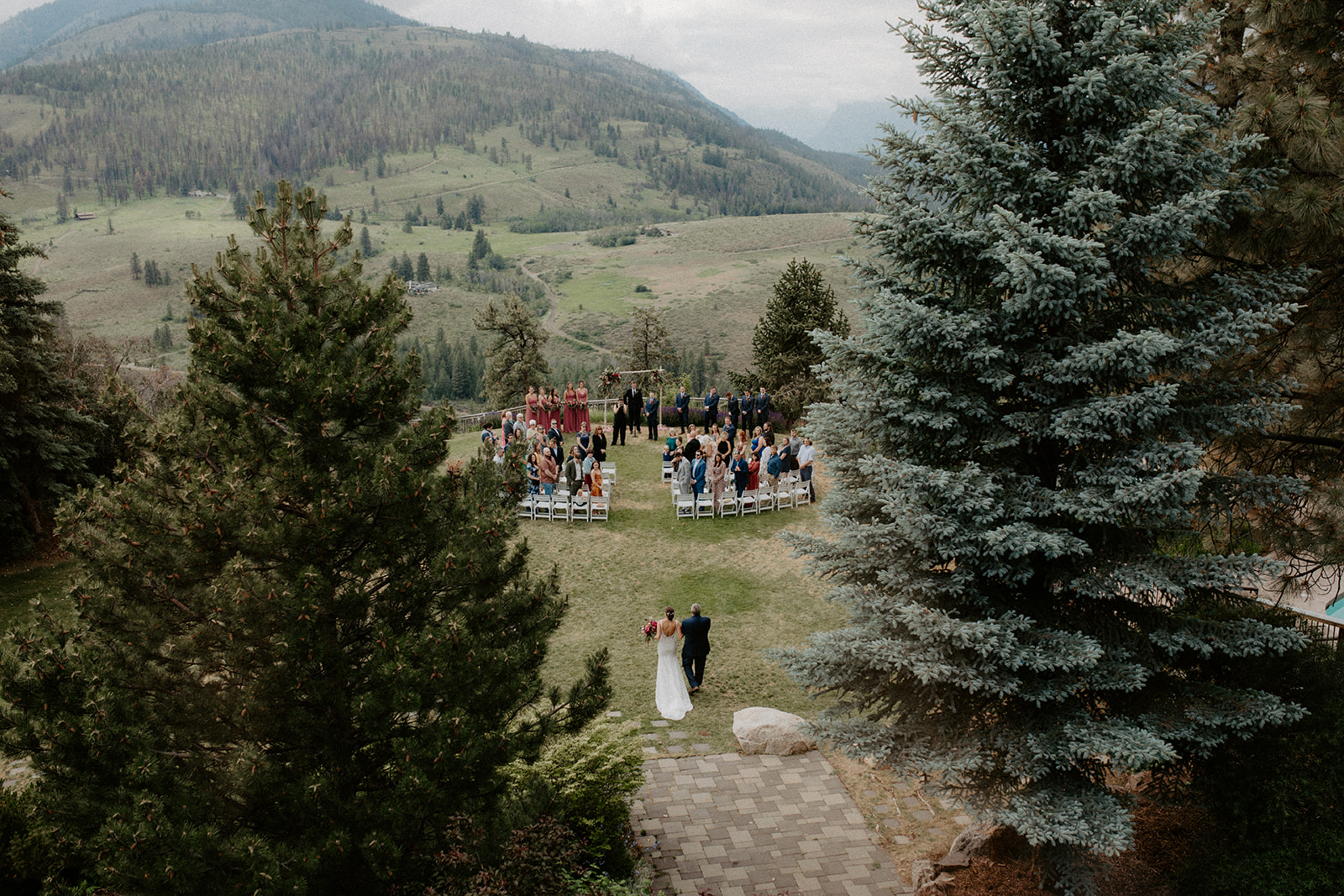
Step 3: Choose Your Officiant
One of the things I love most about Washington State’s marriage laws is how flexible they are regarding who can legally officiate a wedding. You have a lot of options here, which means you can choose someone who actually fits your vision for the day rather than just defaulting to whoever’s available.
Professional Officiants
Hiring a licensed, professional wedding officiant is a great option if you want someone experienced who can help you craft ceremony language, manage the flow of the day, and make sure everything’s legally airtight. Many professional officiants also offer elopement packages, which are handy if you’re planning a smaller ceremony.
Online Ordination
This is one of the most popular routes for couples who want a friend or family member to officiate their wedding. Organizations like the Universal Life Church offer online ordination quickly and for free, and Washington State recognizes these ordinations as legally valid.
The process is simple: your chosen person applies online, gets ordained, and can then legally marry couples in Washington State. There’s no additional registration requirement at the state or county level in Washington — they just need to be ordained before the ceremony and sign the marriage license afterward.
Other Options
Washington State also allows:
- Judges and court commissioners
- County auditors (some counties offer this as a service)
- Active or retired judges
- Licensed or ordained clergy of any religion
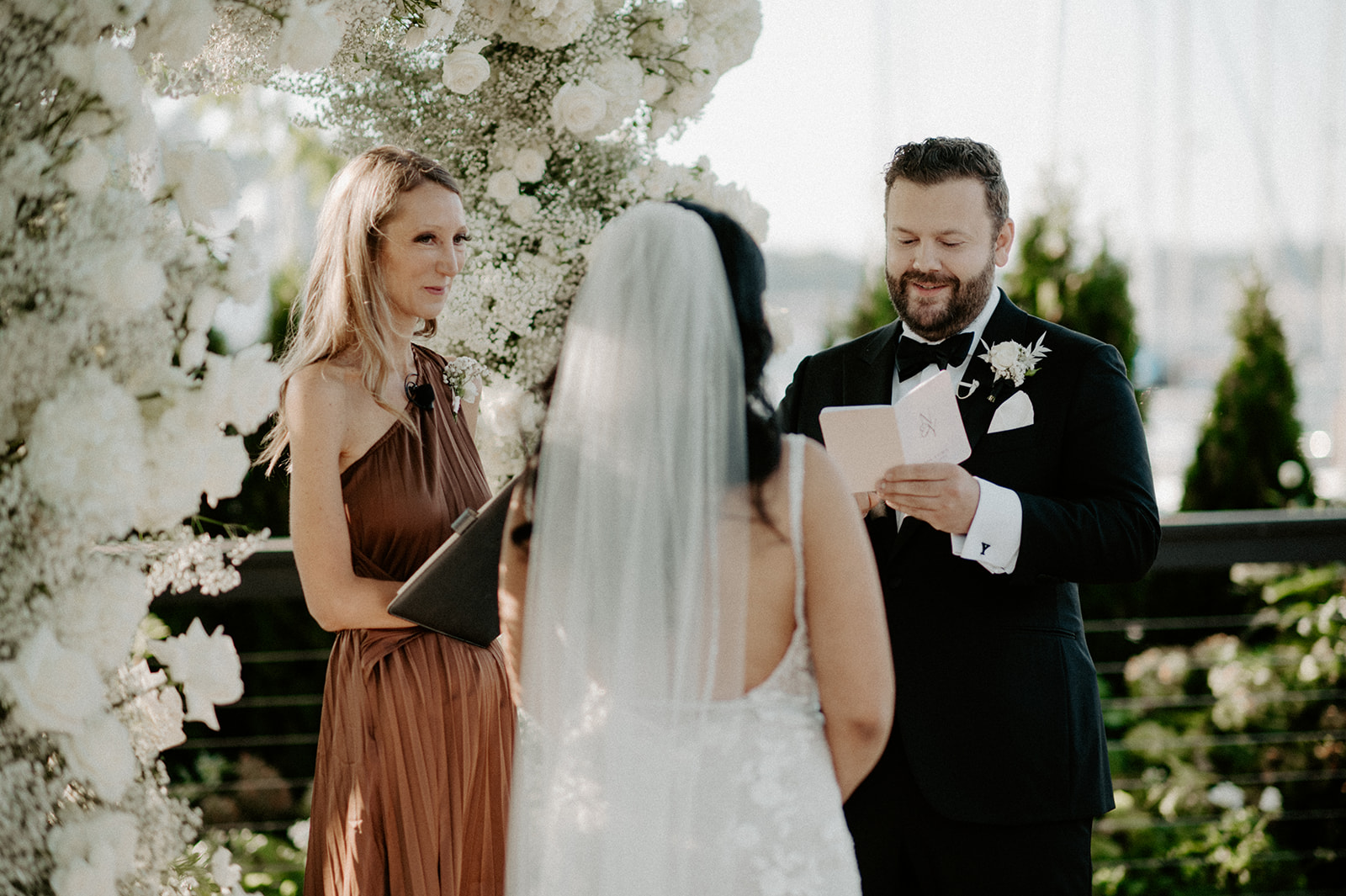
And yes, your photographer can officiate if they are ordained. I’m actually ordained and have officiated ceremonies for couples I’ve photographed! It’s a fun option for elopements and intimate ceremonies where you want to keep your guest list small and your officiant list familiar.
Step 4: Arrange for Two Witnesses
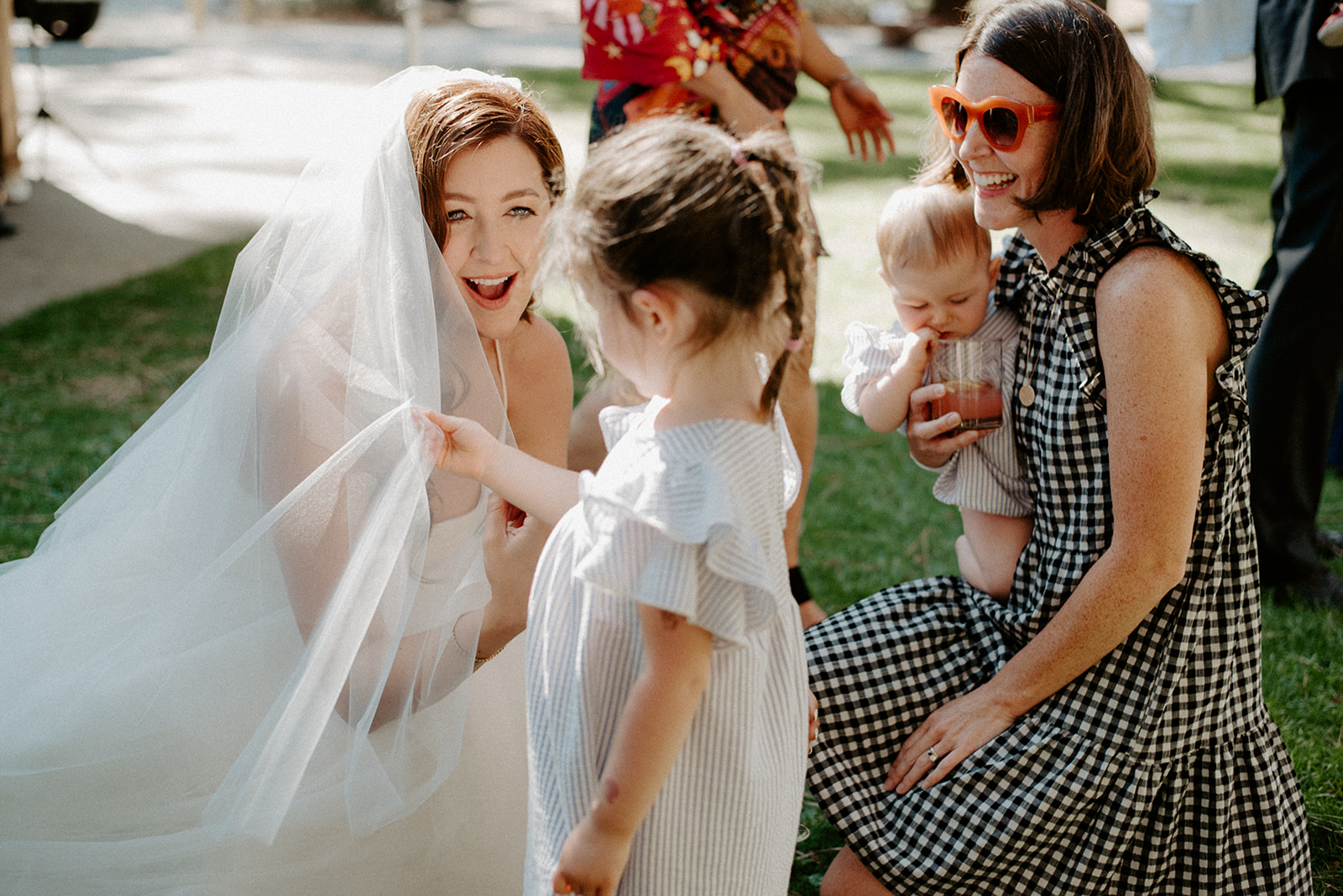
This is a step that sometimes catches people off guard, especially for elopements and micro weddings: Washington State law requires two witnesses over the age of 18 to be present at your ceremony and sign the marriage license.
The witnesses don’t have to be anyone specific — they just need to be of legal age and physically present when you exchange vows. Here’s who can serve as witnesses:
- Friends or family members — the most common choice for traditional weddings
- Strangers — if you’re getting married in a public place, you can ask people nearby to witness
- Park rangers or fellow hikers — if you’re eloping in a national park or on a trail, this is a totally valid option and honestly makes for a great story
- Your photographer or second shooter — vendors present at the ceremony can serve as witnesses
- Your officiant’s plus-one — some officiants will bring a guest who can witness if you’re doing a true elopement with no other people present
For elopements at remote locations, I always make sure my couples have thought through the witness requirement ahead of time. It’s one of those things where the solution is simple once you know it’s required, but it can create a last-minute scramble if you forget about it.
If you’re truly doing a solo elopement — just the two of you, your officiant, and a photographer — your photographer and officiant can serve as your two witnesses, which means you don’t need anyone else there. That’s the minimum crew for a legally valid elopement in Washington State.

Step 5: Submit Your Marriage Paperwork
After your ceremony, the signed marriage license needs to be submitted to the state. Here’s how that process works.
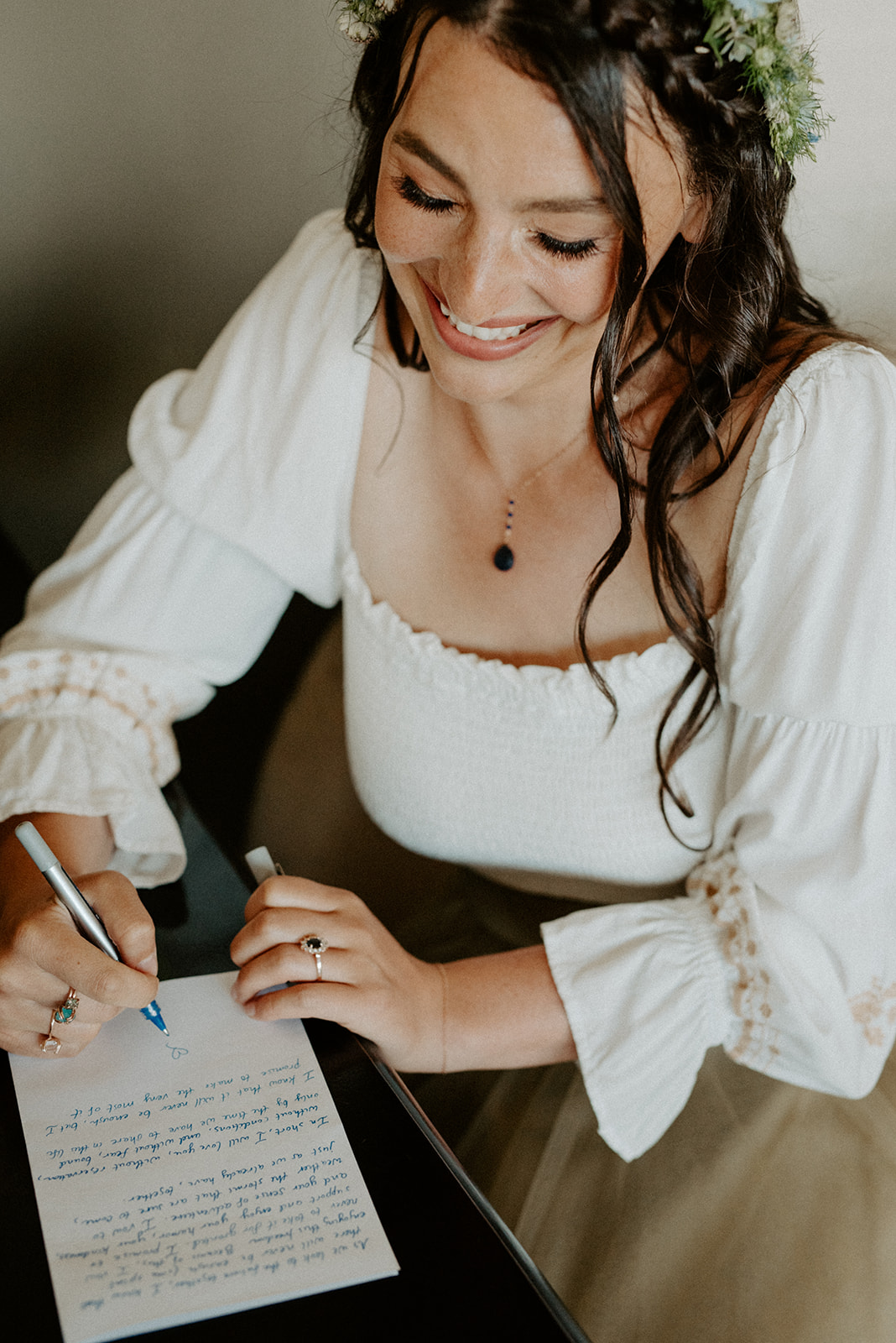
Your officiant is responsible for signing the marriage license and submitting it. This typically happens within a few days of the ceremony. The license gets returned to the county auditor’s office where it was issued, and from there it’s forwarded to the Washington State Department of Health for processing and recording.
As a couple, you don’t typically need to do anything to submit the paperwork — that’s your officiant’s job. What I always tell my couples: make sure your officiant is clear on this responsibility before the wedding day. It’s worth a quick confirmation email a few weeks out.
A Personal Note on Officiant Verification (Learn From My Mistakes)
I’m speaking from experience here.
When my husband Matt and I got married in Virginia, we had a family friend officiate our ceremony. It was sweet, it was personal, it was everything we wanted. And then, a day or two later, my mom called.
Turns out our officiant had forgotten one small detail: he never got ordained in Virginia. He assumed his Florida ordination would transfer over automatically. It does not.
So two days after our wedding, Matt and I found ourselves in a Hardee’s parking lot, meeting a magistrate to get legally married. For real this time.
And if that wasn’t enough, the magistrate was on the phone the entire time he was filling out our paperwork. Multitasking, apparently. He wrote down the wrong date.
We now joke that we have three wedding dates: the day we thought we got married, the day we actually got legally married, and whatever date is on the paperwork.
All of this to say — Washington State makes this easy, but do yourself a favor and confirm your officiant is actually authorized to perform ceremonies in Washington before your wedding day. A quick phone call or email is all it takes. Don’t end up in a Hardee’s parking lot, but if you do, make sure to get the curly fries.
Getting Your Marriage Certificate
Once the paperwork has been processed, you can request certified copies of your marriage certificate directly from the Washington State Department of Health or the county where you applied for your license. These certified copies are what you’ll need for any legal name changes, updating your Social Security records, changing your name on your driver’s license, or updating financial accounts and beneficiary designations.
You’ll want to order multiple copies — most people need two to four, and it’s easier to order them all at once than to go back for more later.
Pro tip: Order your certified copies before you leave for your honeymoon if you’re planning to travel internationally, and your name has changed, since you’ll need updated ID in some cases.

Where Can You Legally Get Married in Washington State?
This is one of the most common questions I get as a photographer, especially from couples planning elopements. Washington is actually incredibly open about where marriages can legally take place — there’s no requirement that you get married in a church, courthouse, or any particular venue.
Seattle Elopements and Weddings
Getting married in Seattle, Washington, is a popular choice for couples who love the city feel — think rooftop venues, Pike Place Market adjacent spots, Discovery Park overlooking the Puget Sound, or even the waterfront. Seattle is a genuinely beautiful backdrop for an intimate ceremony.
Mountain and Nature Elopements
Washington’s national parks and wilderness areas are among the most popular destinations for elopements. A few things to know:
National Parks (such as Mount Rainier, Olympic, and North Cascades) require a special-use permit for wedding ceremonies. You’ll need to apply for this permit in advance — the process varies by park, so check the specific park’s website early in your planning. Permits are limited and book out quickly for popular areas.
State Parks also have their own permit requirements for weddings and ceremonies. Check with Washington State Parks directly for the specific location you have in mind.
Private land — no permit needed as long as you have the property owner’s permission. This includes private venues, wineries, farms, and your own backyard.
Public spaces in cities and towns — requirements vary. Some locations in Seattle and other cities have permit requirements for gatherings, even small ones. Worth checking with your local parks department if you’re planning something in a public park or plaza.
The Short Answer
You can legally get married almost anywhere in Washington State as long as your license is valid, you have your two witnesses, and your officiant is authorized to perform the ceremony. The location itself isn’t restricted by Washington State marriage law — any permits or permissions are about the location’s own rules, not the legality of your marriage.
Common Questions About Getting Married in Washington State
Do I need to be a Washington resident to get married here? No. Washington State welcomes out-of-state and international couples. You can apply for a license, have your ceremony, and have a fully legally recognized marriage without any ties to Washington.
Can we get the license in a different county than where we’re getting married? Yes. Your license is valid statewide, regardless of which county issued it.
What if we’re getting married abroad or in another state — can we get a Washington license? No, your Washington marriage license is only valid for ceremonies held in Washington State.
Do both of us need to be present to apply for the license? Requirements vary by county. Some counties allow one partner to apply on behalf of both with proper documentation; others require that both be present or both submit the online form. Check with your specific county.
What happens if we don’t use our license within 60 days? It expires, and you’d need to apply and pay for a new one. This is rare but worth keeping in mind if your wedding plans shift significantly.
Is a Washington marriage recognized in other states? Yes. A legally performed Washington marriage is recognized by all other U.S. states under the Full Faith and Credit Clause of the U.S. Constitution.
Final Thoughts
Getting legally married in Washington State is genuinely one of the easier parts of wedding planning — and that’s saying something in an industry where “easy” isn’t always the operative word. The process is flexible, the requirements are clear, and the state gives you a ton of room to make your ceremony your own.
Here’s the quick recap of how to get married in Washington State:
- Apply for your marriage license through any county, online, in person, or by mail
- Plan your ceremony window — no earlier than 3 days, no later than 60 days after license issuance
- Choose your officiant — a professional, online-ordained friend, clergy, judge, or even your photographer
- Arrange for two witnesses over 18 to be present and sign the license
- Have your officiant submit the paperwork after the ceremony and order your certified copies
Washington’s landscapes — the mountains, the water, the old-growth forests, the dramatic coastline — make it one of the most beautiful places in the world to get married. Whether you’re doing a full celebration or a quiet two-person elopement at sunrise, the state’s marriage laws are designed to support you, not complicate things.
For more details on the legal specifics, the Washington State Department of Health marriage licensing page is the official resource. And if you’re starting to think about the photography side of your Washington wedding or elopement, head over to my planning page to learn more about the process, or reach out to me!
Lindsey Paradiso is a Seattle-based wedding and elopement photographer specializing in candid, documentary-style coverage across Washington State and beyond. She is also an ordained officiant and has married many of the couples she’s photographed.